
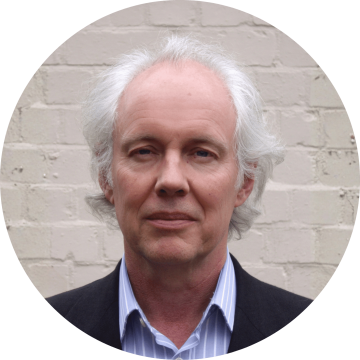
Charles Vincent
LinkedIn : Charles Vincent
Charles Vincent has combined frontline experience with senior academic leadership in the UK’s leading centres for safety science. After working in the NHS, he established the Clinical Risk Unit at University College London. In 2002 he moved to Imperial College London, where he later directed the NIHR Centre for Patient Safety and Service Quality, before continuing his work at the University of Oxford as a Health Foundation professorial fellow (and Emeritus Professor at Imperial).
Why does he matter beyond medicine?
For industrial safety specialists, Charles Vincent is valuable because he translated well-established safety principles – systems thinking, learning loops, and disciplined investigation – into a complex socio-technical environment where variability is high and standardisation is hard.
His most enduring contribution has been to bring a practical “systems” perspective to the investigation and prevention of harm. Drawing on safety science and the organisational accident model, he helped develop structured approaches to learning from incidents that move beyond individual blame to identify contributory factors across teams, tasks, tools, organisational conditions and wider policy contexts.
This work is most visibly embodied in the London Protocol – known in France as the ALARM method – one of the most widely used frameworks internationally for analysing clinical incidents and turning investigations into safer care. His work has been closely connected to internationally recognised leaders in the field, notably James Reason.
Beyond academia, Charles Vincent has played a prominent role in national and international patient-safety policy and oversight. He served as a Commissioner on the UK Commission for Health Improvement and has advised major inquiries and reviews concerned with quality and safety in healthcare.
This blend of scientific leadership, methodological innovation and public-service contribution underpins the authority with which he is regarded globally: as a scholar who has not only explained how harm occurs, but has equipped health systems with credible, structured ways to learn, improve and protect patients.

 19/10/2026